Hop Haze: Is Britain ready for cloudy beer? Part 2
Neil, Eating isn't Cheating
Tuesday, August 23, 2011
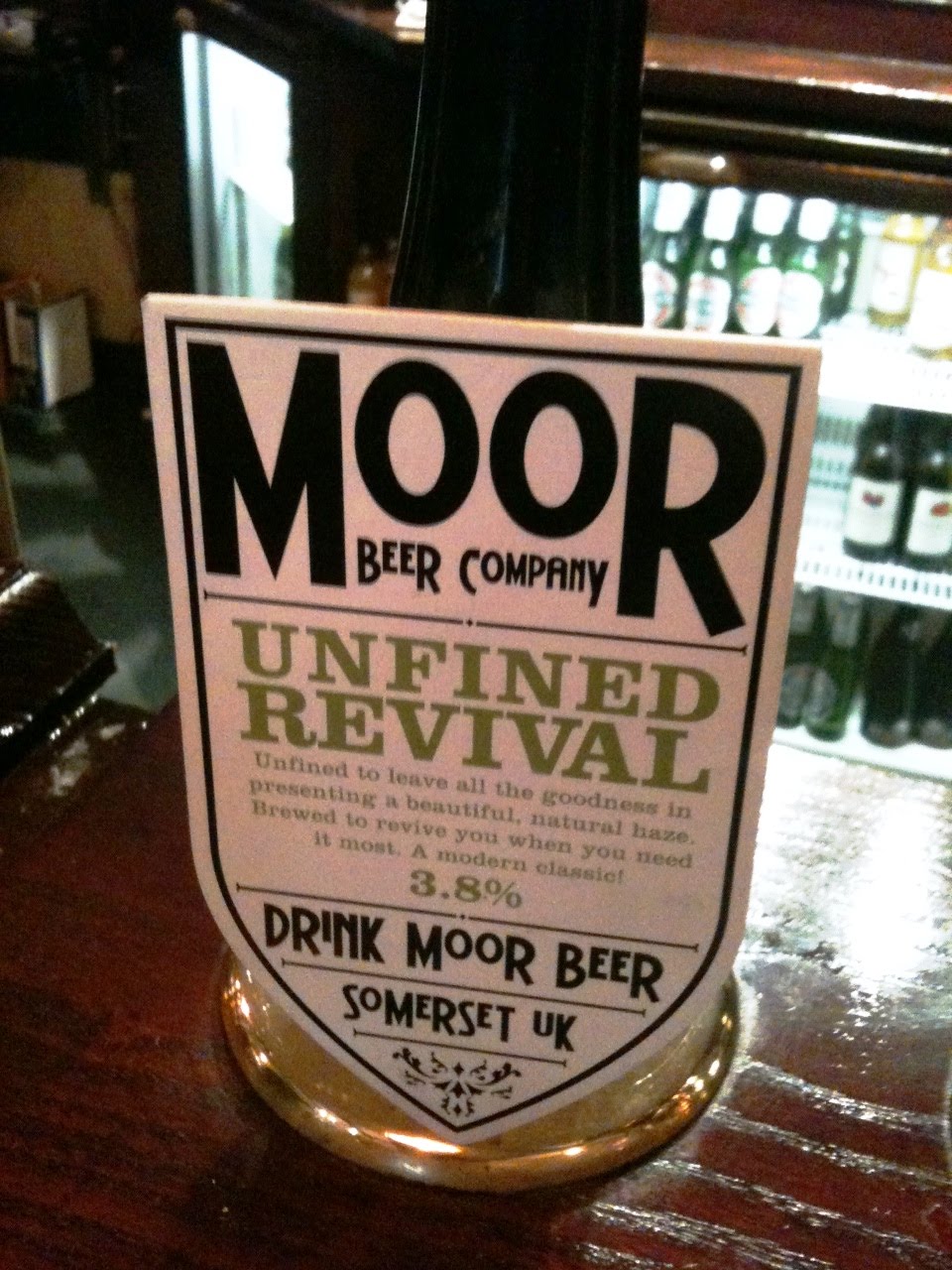
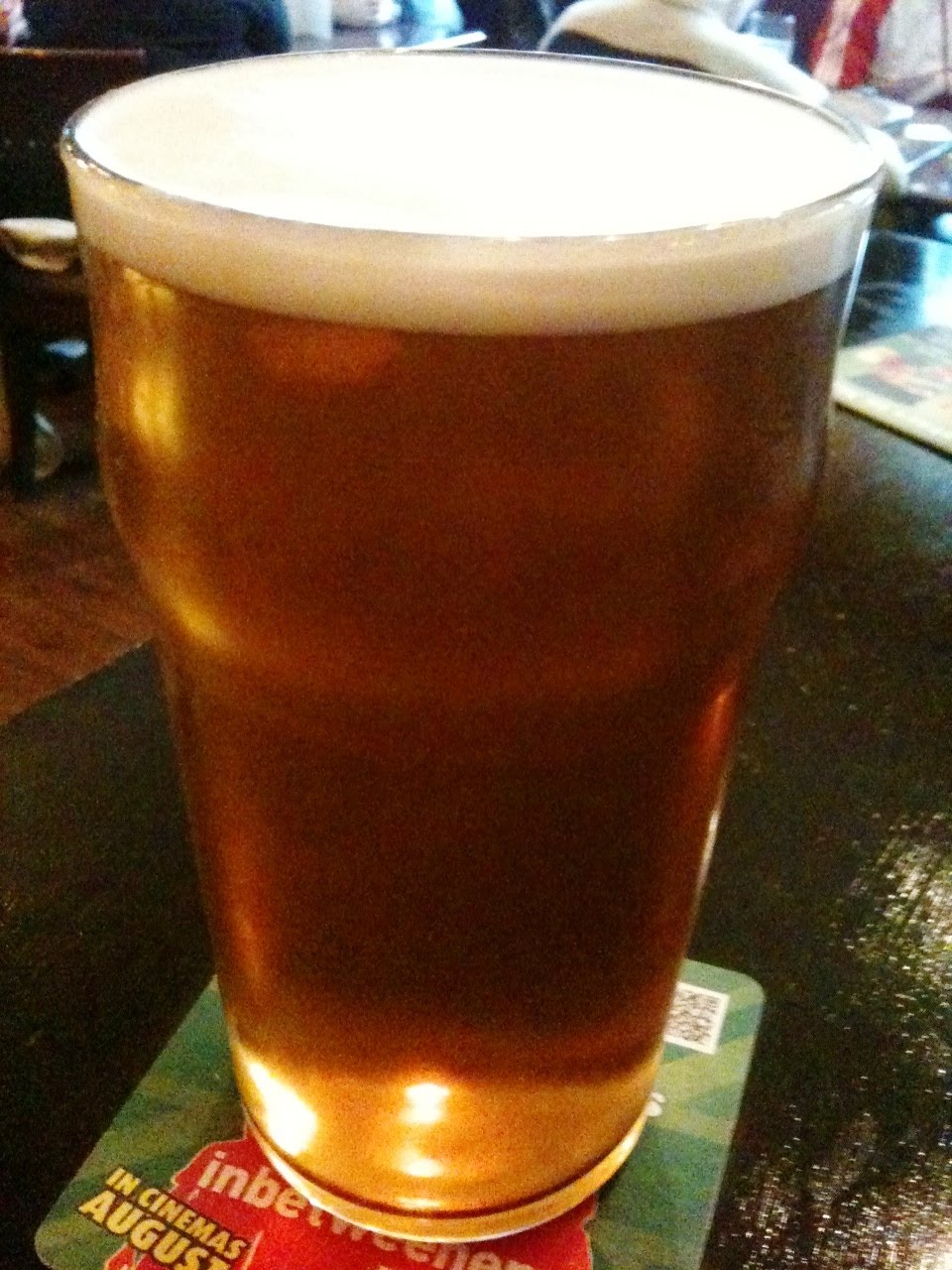
 I wrote recently about some unfined beer from Moor, and how the brewer and myself thought it tasted better than the fined version of the same beer. My main point was that I have no problem with hazy beer, providing it is intended to be served that way, and that for me flavour is the first consideration before appearance. If the brewer thinks the beer tastes better with bit of haze for whatever reason, then that is how it should be drunk - crystal clarity at the cost of flavour is an unnecessary evil in my opinion.
However, it did cause a bit of “healthy discussion” in the comments with some drinkers saying all beer (apart from traditionally cloudy varieties such as wheat beer etc) should be perfectly clear... which only acts to reinforce the title of the post really.
Anyway, I purposefully left out of the original something which was quickly commented on underneath as a reason why cloudy beer isn’t a bad thing - Hop Haze. I left it out to keep things simple, with the intention of returning to the issue at a later date. However the amount of argument, sorry “discussion”, about haziness made me realise I should probably get around to it sooner rather than later - so here we are.
Hop Haze is a bit of a catchall term, and at its most basic “Hop Haze” seems to be used to describe any type of hazing in a beer that has been heavily dry hopped, but the reality is a bit more complicated. There are a few different ways in which extensive use of hops, and particularly dry hopping (where a fresh load of hops are added to the brewed beer as it ferments), can cause a haze in the finished beer, these include:
Protein & Polyphenol Haze
This is where high levels of hop Polyphenols in the finished beer interact with the proteins in the liquid to cause a haze. This is probably the most common cause of “Hop Haze” and will give a slightly hazy appearance to the beer, but shouldn’t create a chunky ‘cloud’ like you’d get with something like a German Wheat beer. In the Wheat Beer the cloudiness is caused by a combination of the wheat proteins and suspended yeast, often exacerbated by the fact the yeast sediment is purposefully disturbed and typed into the glass when serving the beer from a bottle.
Lipid (hop oil) Haze
Inside hop plants are Lupulin glands that contain resins and essential oils which act to flavour beer - adding bitterness when used early in the brewing process (as the resins are broken down into the beer) and aroma/flavour when used later in the brewing process (as the aromatic qualities are preserved and the bitter compounds aren't broken down as much). When lots of hops are used to brew a beer, and particularly when further “dry hopping” as mentioned above is employed, relatively* large quantities of hop oils make their way in to the finished brew causing a slight shimmer or oily looking haze to the finished beer.
It has to be said that this type of hop haze requires pretty extreme levels of hopping but is definitely visible in some big Imperial IPA's such as BrewDog’s Hardcore.
Chill Haze
The protein & polyphenol haze outlined above is more stable at lower temperatures, meaning that a beer which is clear at room temp may become cloudy when chilled. This type of haze will generally clear as the beer warms in the glass whereas the other types of haze won’t.
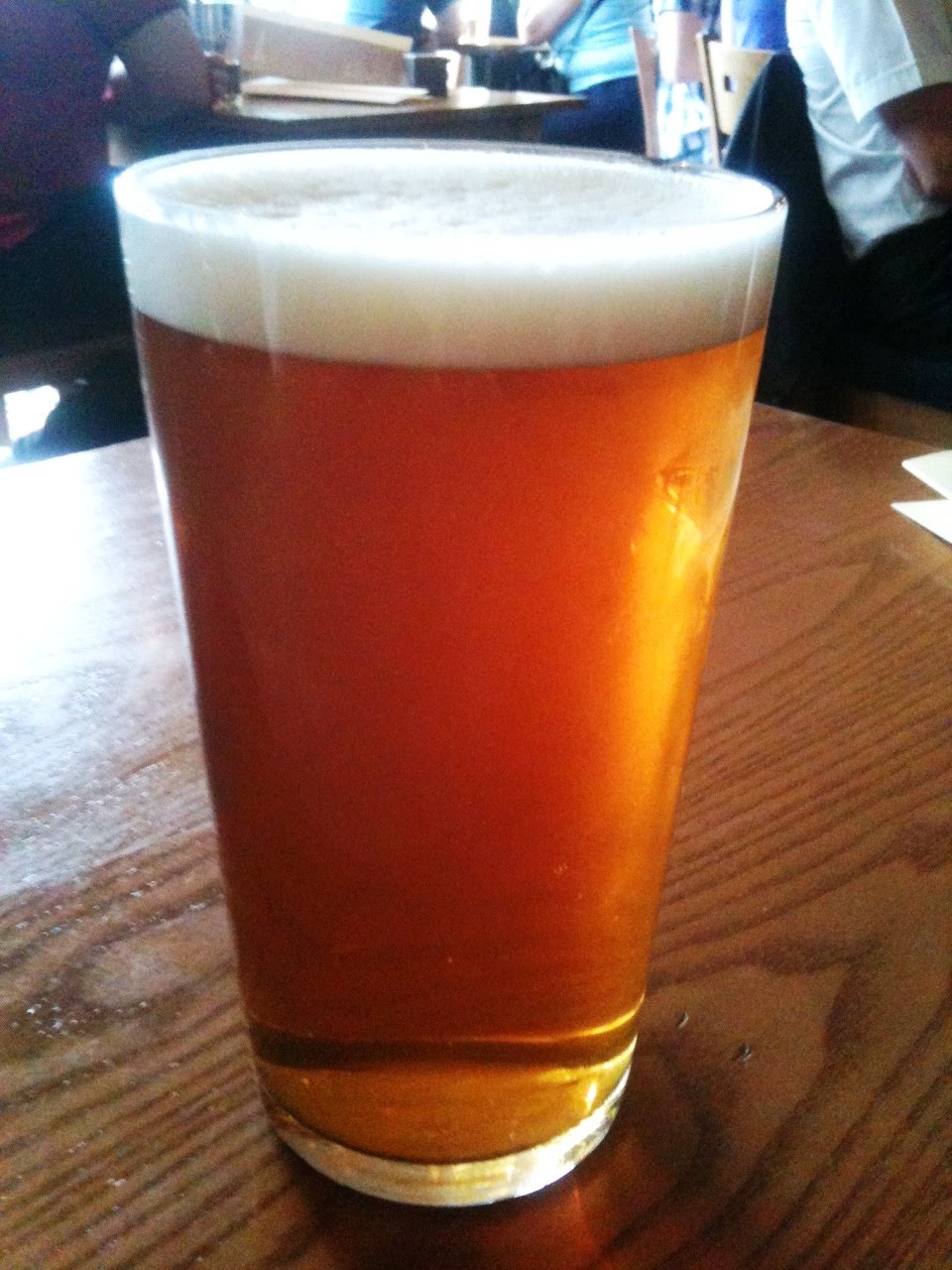
Buy pretty much any “Craft Keg” IPA** and you’ll get a little bit of chill haze from the combination of high hopping levels and colder than cask serving temperature - although strictly speaking this isn’t really “Hop Haze” as described above at all.
So back to my original point about hazy beer, do any of the above really sound that bad?
"Oh no, there's so many delicious hops in my beer it's gone a bit hazy!"
I rest my case... for now.
Notes:
*I say 'relatively' large as in terms of percentage volume, hop oils make up a tiny fraction of the liquid in the glass, but as with any essential oil, a little goes a long way.
**Chill Haze can happen to beers of all types if they are served a touch too cold, but heavily hopped beers seem to be more susceptable.
I’ve also read that some types of Hop Haze will stabilize and become chunkier over time, eventually getting to a point where the haze stabilizes enough to clump together and settle as sediment, much in the same way as yeast and sediment does in cask beer. I didn't want to complicate matters by discussing this in the post but if you have any comments on this then please feel free to discuss below.
Sources:
- http://homegrownhops.blogspot.com/
- http://www.willingham-nurseries.co.uk/hops/The-Versatility-of-Hops.pdf
- An insatiable thirst for knowledge (and beer)