Showing posts with label Moor. Show all posts

Trusted pints and snap decisions

Monday, February 20, 2012
Usually when I'm ordering a drink in a half decent pub I'll take a few minutes deciding what to have, asking what the barman recommends, looking at the different beers on offer. I'll even go to the pub in order to try a specific beer I know they've got on if it's worth the trip.

Other times, and this seems to happen less and less nowadays, I'll simply pop into the pub on my way home from work and order a quick pint of whatever catches my eye.

Tonight was one of those nights. Pretty busy pub, slightly understaffed, and by some sort of miracle I get served almost straight away. Now this is not a time to start messing around asking for samples, pissing off the guy at the bar next to you and generally being a beer geek. 5 seconds. What can I get you mate?

This is where the trusted pints list comes in. We’ve all got the list. That mental bank of beers that can be trusted. The likes of Landlord and London Pride are on there, of course, but also a handful, and I’m talking a very select group, of breweries also make the cut. Guys that seem to never swing and miss, and can be trusted to deliver a great pint, time, after time, after time.

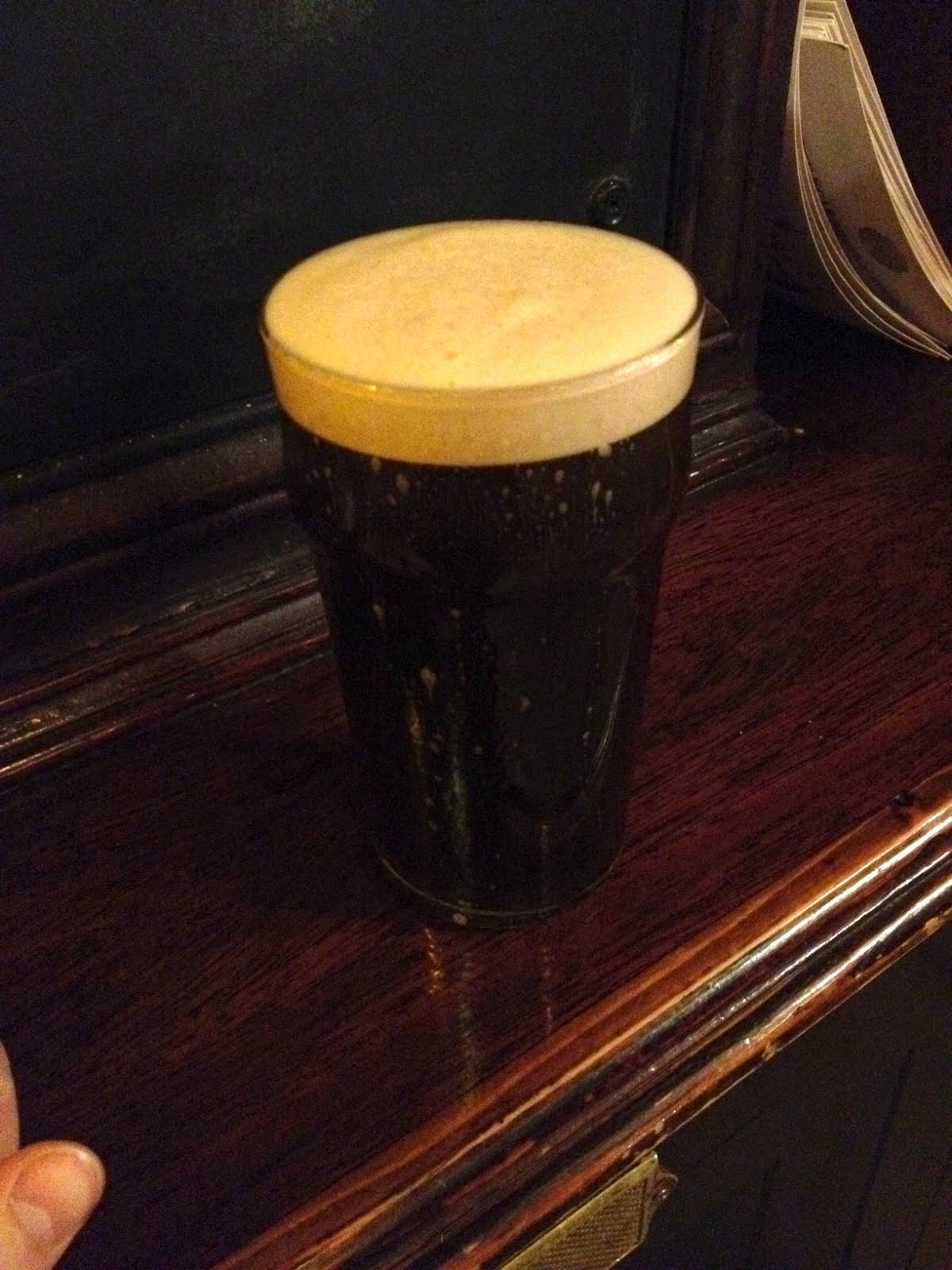
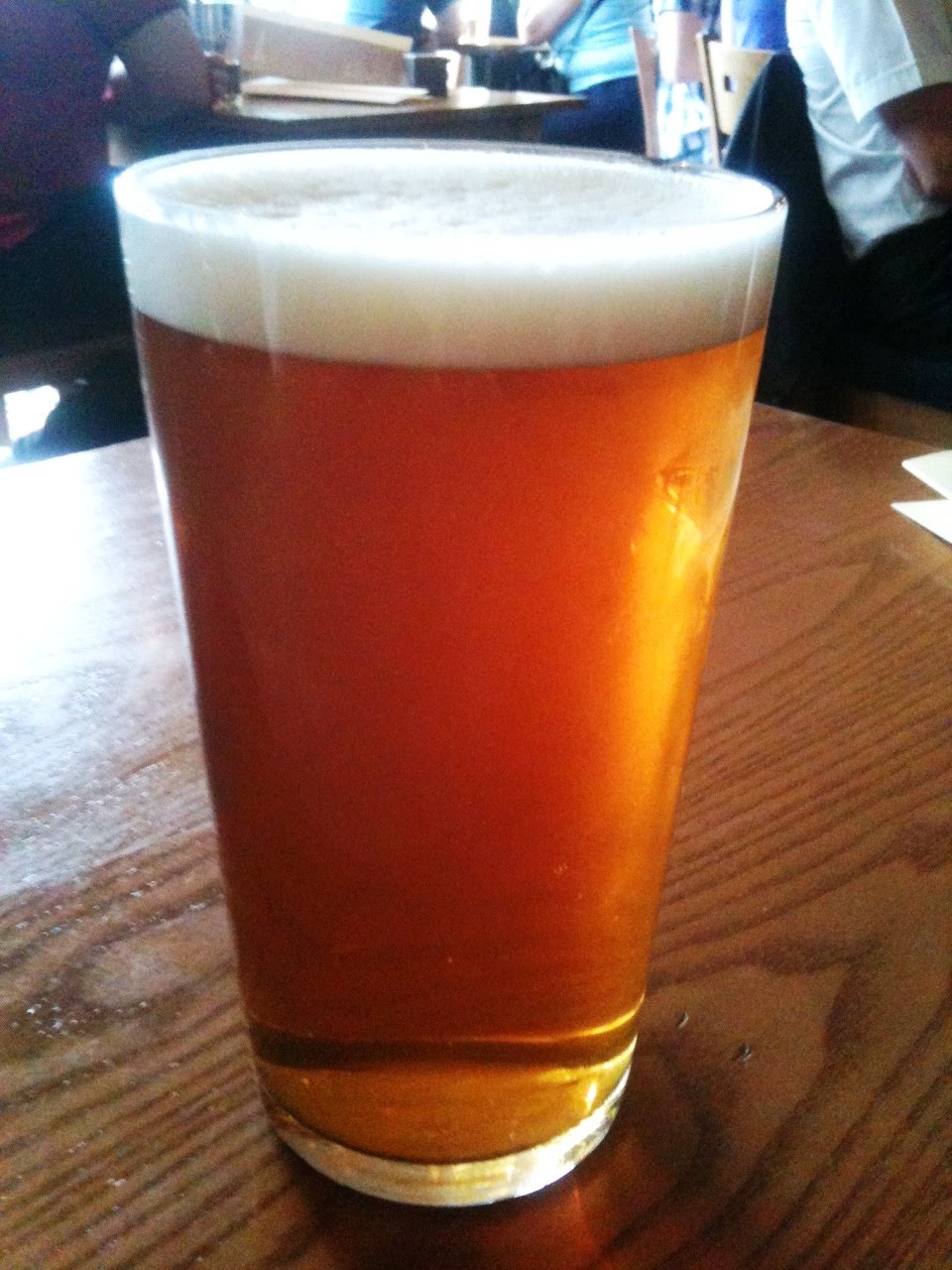
One such brewery are Moor. I’m yet to try a beer of there’s I didn’t enjoy, fined or otherwise, and as soon as I spotted that distinctive pumpclip on the bar it was an easy choice. I was expecting a hoppy pale ale if I’m honest (I didn’t recognize the beer, turns out it was Amoor) but what I received was a lush, richly smooth, bitter coffee flavoured porter with a little berry fruitiness and nice dry finish that completely and utterly hit the spot. It was excellent.

Having a bank of trusted pints is great, but trusted breweries? They’re a Godsend.

Hop Haze: Is Britain ready for cloudy beer? Part 2

Tuesday, August 23, 2011
I wrote recently about some unfined beer from Moor, and how the brewer and myself thought it tasted better than the fined version of the same beer. My main point was that I have no problem with hazy beer, providing it is intended to be served that way, and that for me flavour is the first consideration before appearance. If the brewer thinks the beer tastes better with bit of haze for whatever reason, then that is how it should be drunk - crystal clarity at the cost of flavour is an unnecessary evil in my opinion.

However, it did cause a bit of “healthy discussion” in the comments with some drinkers saying all beer (apart from traditionally cloudy varieties such as wheat beer etc) should be perfectly clear... which only acts to reinforce the title of the post really.

Anyway, I purposefully left out of the original something which was quickly commented on underneath as a reason why cloudy beer isn’t a bad thing - Hop Haze. I left it out to keep things simple, with the intention of returning to the issue at a later date. However the amount of argument, sorry “discussion”, about haziness made me realise I should probably get around to it sooner rather than later - so here we are.

Hop Haze is a bit of a catchall term, and at its most basic “Hop Haze” seems to be used to describe any type of hazing in a beer that has been heavily dry hopped, but the reality is a bit more complicated. There are a few different ways in which extensive use of hops, and particularly dry hopping (where a fresh load of hops are added to the brewed beer as it ferments), can cause a haze in the finished beer, these include:

Protein & Polyphenol Haze

This is where high levels of hop Polyphenols in the finished beer interact with the proteins in the liquid to cause a haze. This is probably the most common cause of “Hop Haze” and will give a slightly hazy appearance to the beer, but shouldn’t create a chunky ‘cloud’ like you’d get with something like a German Wheat beer. In the Wheat Beer the cloudiness is caused by a combination of the wheat proteins and suspended yeast, often exacerbated by the fact the yeast sediment is purposefully disturbed and typed into the glass when serving the beer from a bottle.

Lipid (hop oil) Haze

Inside hop plants are Lupulin glands that contain resins and essential oils which act to flavour beer - adding bitterness when used early in the brewing process (as the resins are broken down into the beer) and aroma/flavour when used later in the brewing process (as the aromatic qualities are preserved and the bitter compounds aren't broken down as much). When lots of hops are used to brew a beer, and particularly when further “dry hopping” as mentioned above is employed, relatively* large quantities of hop oils make their way in to the finished brew causing a slight shimmer or oily looking haze to the finished beer.


It has to be said that this type of hop haze requires pretty extreme levels of hopping but is definitely visible in some big Imperial IPA's such as
BrewDog’s Hardcore.

Chill Haze

The protein & polyphenol haze outlined above is more stable at lower temperatures, meaning that a beer which is clear at room temp may become cloudy when chilled. This type of haze will generally clear as the beer warms in the glass whereas the other types of haze won’t.

Buy pretty much any “Craft Keg” IPA** and you’ll get a little bit of chill haze from the combination of high hopping levels and colder than cask serving temperature - although strictly speaking this isn’t really “Hop Haze” as described above at all.


So back to my original point about hazy beer, do any of the above really sound that bad?

"Oh no, there's so many delicious hops in my beer it's gone a bit hazy!"

I rest my case... for now.


Notes:
*I say 'relatively' large as in terms of percentage volume, hop oils make up a tiny fraction of the liquid in the glass, but as with any essential oil, a little goes a long way.
**Chill Haze can happen to beers of all types if they are served a touch too cold, but heavily hopped beers seem to be more susceptable.


I’ve also read that some types of Hop Haze will stabilize and become chunkier over time, eventually getting to a point where the haze stabilizes enough to clump together and settle as sediment, much in the same way as yeast and sediment does in cask beer. I didn't want to complicate matters by discussing this in the post but if you have any comments on this then please feel free to discuss below.


Sources:
-
http://homegrownhops.blogspot.com/
-
http://www.willingham-nurseries.co.uk/hops/The-Versatility-of-Hops.pdf
- An insatiable thirst for knowledge (and beer)


Is Britain ready for cloudy beer?

Monday, August 15, 2011
How many times have you been in a cask ale pub and seen a punter hold a glass up to his eye, see it’s a touchy cloudy, and return in to the barman with a mutter of “that beers off mate”, before even tasting it?

I’ve seen it happen, and even more worryingly I’ve seen barmen accept this as correct and offer the punter an alternative. Now I’m not saying that if a beer genuinely is “off” or doesn’t taste quite right then a punter shouldn’t be given the opportunity to have it replaced, they absolutely should. What I take offence to is accepting a beer being cloudy as evidence that a beer is off, because it isn’t. A beer that is designed to be clear should be served clear, and if it’s cloudy then by all means have a taste, and if it isn’t right then return it. But for gods sake, taste it first, and if you aren’t convinced make your first question to the barman “is this beer meant to be cloudy?”.

If it is meant to be cloudy and tastes good, then who cares what it looks like?

However, the fact remains we aren't used to cloudy beer in this country and a lot of people expect beer to be 100% clear and bright. The problem is that whilst this is easy enough with keg beer, where the liquid can* be filtered before going into the keg, Cask ale is trickier.

The live yeast in a barrel of cask beer (real ale) helps to create a secondary fermentation that gives the beer its light carbonation and also adds to certain aspects of the beers flavour and texture. However that live yeast floating around in the beer also creates a problem for pubs because they have to give the beer time to “drop bright”, meaning all the yeast and sediment drops to the bottom of the barrel leaving clear beer at the top ready to be pulled in to your pint. To speed up this process some brewers use isinglass finings, which to use a technical description are “An acidified aqueous suspension of collagen derived from the swim bladder of certain fish, along with sodium metabisulphite.” But essentially finings are there to make the yeast and other bits floating in the beer clump together quicker and sink to the bottom.

However, some brewers would argue that along with the yeast the finings strip out some of the stuff floating in the beer which actually makes it taste and smell good. One of these brewers is
Moor.

Moor make some fantastic beers and are massive believers in unfined beer. The problem is that the exchange mentioned at the top of this post is typical of pubs up and down the country - pubs find it hard to sell cloudy pale ales as customers want pin-bright, perfectly clear beer. This is not the case elsewhere though, how many cloudy German Weisse beers have you seen taken back with the explanation “this is off, it’s cloudy”? I bet not many. Cloudy does not mean bad!

Interestingly Moor send out all of their dark beers unfined, so all that tasty unfiltered character is present in the beer - it’s only their pale beers that have to be fined as it’s in these beers the cloudiness is more obvious. So to those people who think they don’t like cloudy beer, why not try one of the dark beers and tell me it tastes bad. Still think you don’t like cloudy beer? Sure it’s not just a visual thing?

Moor have however struck a deal with the large pub chain
Mitchell & Butlers to serve unfined beers in their Nicholsons branded pubs after persuading them it was the way to go when it comes to flavor, and no doubt that punters will come round to the idea of a cloudy pale once they taste how good the beer is. And trust me, it is good beer, in fact, it’s bloody brilliant beer.

I was lucky enough to enjoy a pint of
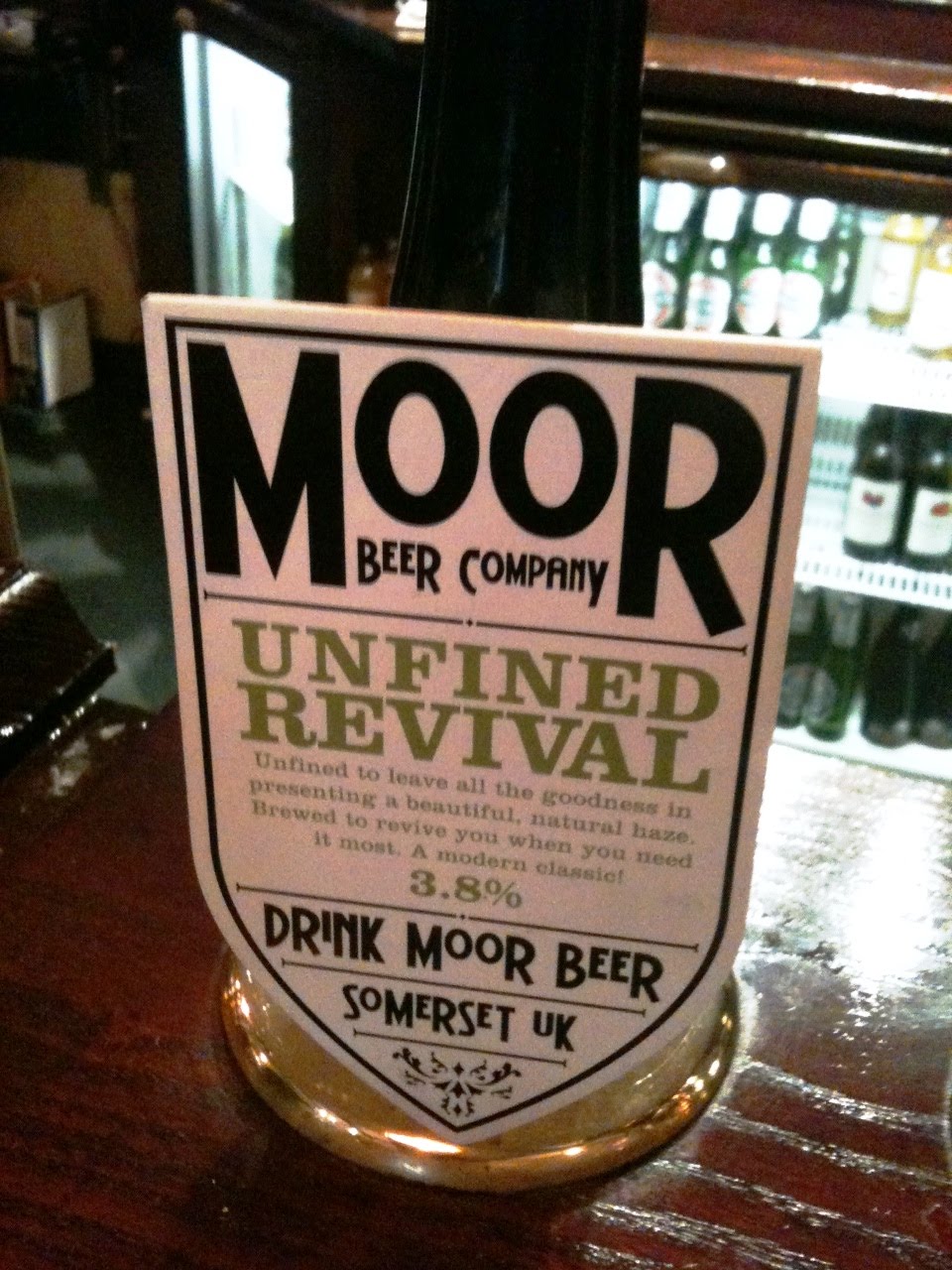
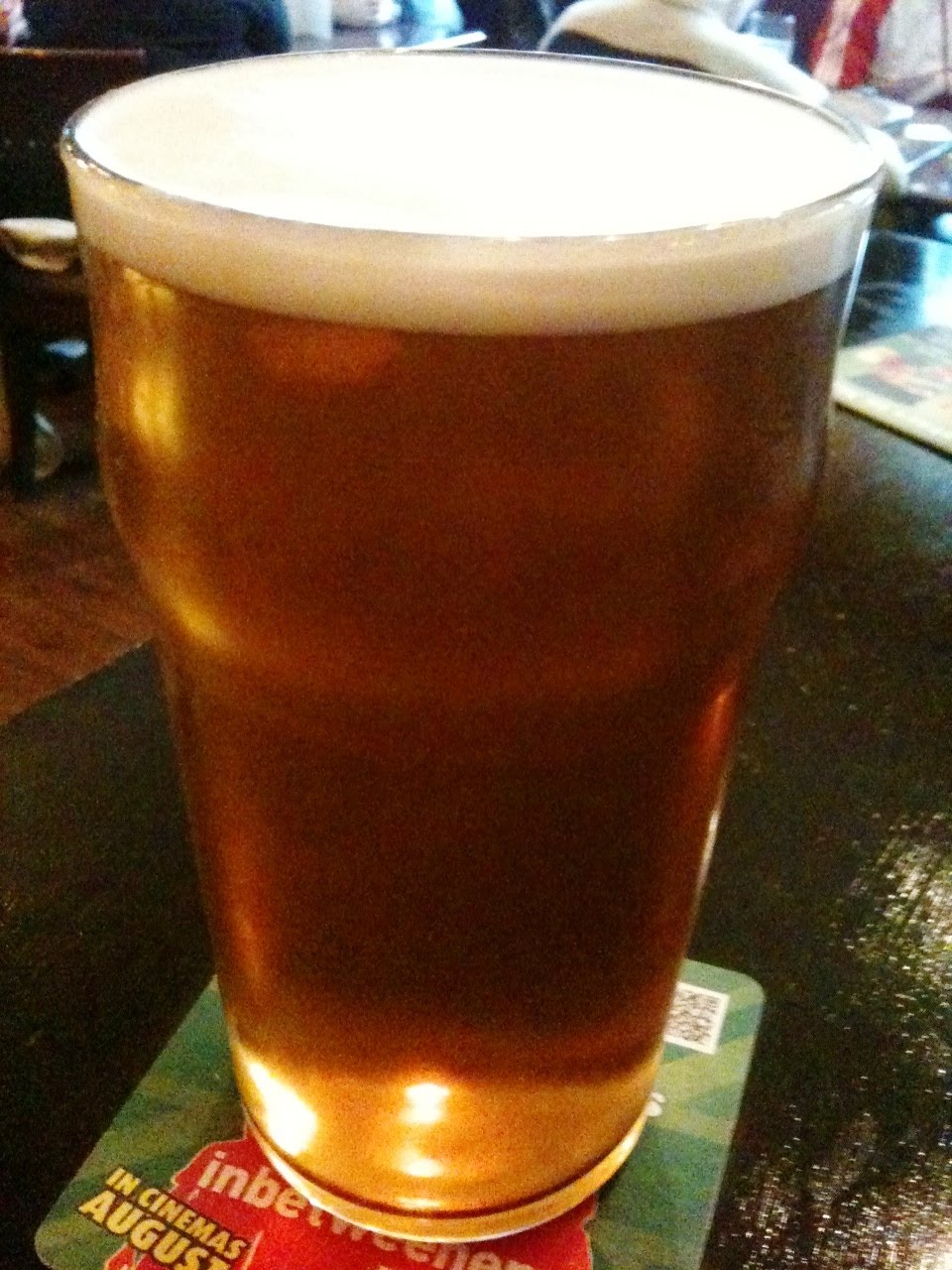
Unfined Revival in the Scarbrough Tap in Leeds recently (a Nicholsons pub) and can certainly attest for it having a little touch of cloudiness, but the main thing that hit me was the taste - it was absolutely excellent.

Unfined Revival is the unfined version of their excellent
Revival pale ale. It’s a fantastic citrus hopped session beer which has hints of grapefruit, spiced lemon and orange zest alongside bags of bitterness and a really refreshing, dry finish. It’s a perfect session beer, and at just 3.8% ABV punches well above its weight. This unfined version has everything the original offers, but for me had an even better aroma, fuller mouthfeel and a really fresh, vibrant flavour.

Naming it unfined revival is a good move as well, and they even go as far as to explain on the pump clip that the beer is meant to be cloudy because it tastes better that way. Moor want to serve all their beers unfined and I think adding it as a prefix before the name of the beer is a simple yet elegant way to inform regular drinkers of the beer that this a slightly different beast. Sometimes the simple ideas are the best ones, and I think this is a cracker.

I wish more brewers were doing this; serving unfined beer with a note to customers saying it is meant to be that way because it tastes better, it’s a simple but effective explanation that cuts out so much agro - Pubs will get fewer returned pints, and customers get tastier, more natural beer. It’s a win, win.

Good on Moor, and good on Mitchell & Butler for their bravery.


*Not all keg beer is filtered or pasteurised, and this is not a cask vs keg post. Lots of craft beer brewers in the UK and abroad sell keg beer which is neither heavily filtered or pasteurised. The beer served on keg from BrewDog, HardKnott and Summer Wine, to name but a few, is neither heavily filtered or pasteurised and has started to be referred to as "craft keg" in an effort to seperate it from the dull, filtered, pasteurised beer sold on keg throughout the UK. The only real difference between craft keg and cask ale is that it is served with added carbonation, is a touch colder, and doesn't undergo a secondary fermentation in the vessell from which it is served. i.e. it's not "real ale" as defined by CAMRA. Even more importantly, only certain beers suit this "craft keg" dispense method - Big, strong, hoppy IPA's, being a good example, where the keg dispense helps to lift the flavours, and show the beer at it's best.